7 Neighborhoods in Grand Prairie Locals Recommend

You’re scrolling through house listings at 11 PM again, aren’t you? That familiar mix of excitement and overwhelm washing over you as you click through photos of homes that could be… well, home. The problem isn’t finding a house in Grand Prairie – it’s figuring out where the heck you actually want to *live*.
I get it. You’ve probably driven through a few neighborhoods already, maybe even walked around some open houses. But here’s the thing – and I learned this the hard way when I was house hunting – the real estate websites don’t tell you which areas have the best food trucks, where parents actually feel comfortable letting their kids ride bikes, or which neighborhoods turn into ghost towns after 6 PM.
That’s where the locals come in. You know, the people who’ve been here long enough to see neighborhoods evolve, who know which areas are quietly becoming the next big thing, and – perhaps most importantly – which ones have that elusive quality we all want: community.
The Problem with Generic “Best Neighborhoods” Lists
Most articles about Grand Prairie neighborhoods read like they were written by someone who spent exactly 20 minutes on Zillow and called it research. They’ll tell you about median home prices (helpful, sure) and school ratings (definitely important), but they won’t mention that the coffee shop on Main Street knows your order by heart, or that the neighbors on Maple Street organize impromptu block parties that somehow always involve the perfect amount of barbecue.
Here’s what I’ve noticed after talking to dozens of Grand Prairie residents – from young families who moved here from Dallas seeking more space for their dollar, to retirees who’ve watched this city transform over decades. The neighborhoods they rave about aren’t necessarily the most expensive ones. They’re not always the newest developments with the fanciest amenities.
They’re the places where life happens naturally.
What Makes a Neighborhood Actually Worth Living In?
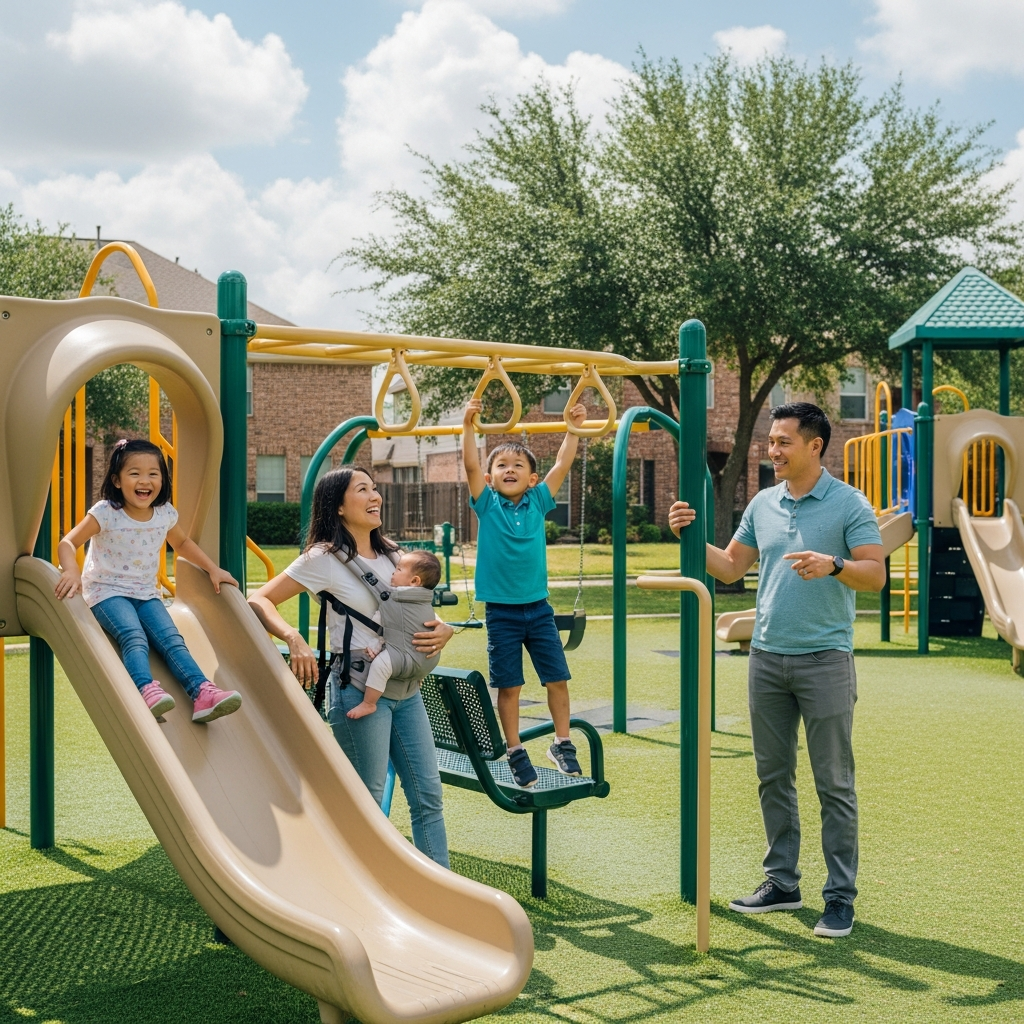
Think about your ideal Tuesday evening. Maybe you’re walking the dog and you wave to your neighbor working in their garden. Or you realize you’re out of milk and there’s a decent grocery store that doesn’t require a 20-minute drive. Perhaps your kids can walk to school without you having a minor panic attack about traffic.
These might sound like small things, but they’re not – they’re everything. They’re what turn a house into a home and an address into a real place where you want to build your life.
The locals I’ve talked to consistently mention the same types of things when describing why they love their neighborhoods. Walkability matters more than you’d think, especially in Texas where everything feels spread out. Access to parks isn’t just about property values – it’s about having somewhere to go when you need to decompress after a long day. And that sense of community? It’s not just nice-to-have… it’s what makes you feel like you belong somewhere.
Beyond the Surface Stats
Sure, we could talk about crime rates and property taxes (and we will, because that stuff matters too). But what you really want to know is more nuanced. Which areas are seeing young families move in? Where can you find that sweet spot between affordable and up-and-coming? Which neighborhoods have character beyond just good schools and shopping centers?
That’s exactly what you’ll discover as we explore these seven neighborhoods that locals consistently recommend. We’re talking about places where people don’t just live – they put down roots. Areas where you might find yourself staying longer than you originally planned because, well, why would you leave?
From established neighborhoods with tree-lined streets and decades of history, to newer developments where you can watch a community form right before your eyes, each of these areas offers something different. Some are perfect for young professionals who want easy access to Dallas but don’t want to pay Dallas prices. Others are ideal for families who prioritize great schools and safe streets where kids can actually be kids.
Ready to get the real story on where locals actually recommend you look? Let’s talk about these neighborhoods like your neighbor would – with all the details that matter for real life, not just real estate listings.
What Makes a Neighborhood Worth Recommending?
You know how some places just feel right the moment you drive through them? It’s like when you slip into your favorite pair of jeans – everything just fits. That’s what locals mean when they recommend a neighborhood. It’s not about the fanciest houses or the highest property values (though those don’t hurt). It’s about that intangible quality that makes you think, “Yeah, I could see myself living here.”
Grand Prairie sits in this sweet spot between Dallas and Fort Worth – kind of like being the middle child who somehow gets the best of both worlds without all the drama. The city’s grown from a small farming community into this sprawling suburban haven that still manages to feel… well, manageable. And that’s no small feat when you’re dealing with over 196,000 residents.
The Geography Game – Location Really Is Everything
Here’s where things get interesting (and maybe a little confusing if you’re not from around here). Grand Prairie stretches across three counties – Dallas, Tarrant, and Ellis. It’s like the city couldn’t decide which county it wanted to belong to, so it just said “all of them, please.”
This tri-county situation actually works in residents’ favor. You’ve got different tax structures, school districts, and municipal services depending on which part of town you’re in. Think of it as having multiple personality traits that somehow work together harmoniously – or at least most of the time.
The city runs roughly 38 square miles, which might sound massive until you realize it’s shaped more like a sprawling amoeba than a neat little square. Some neighborhoods feel worlds apart from each other, even though they technically share the same zip code.
School Districts – The Make-or-Break Factor
Let’s be honest – if you’ve got kids, the school district often trumps everything else. Grand Prairie’s educational landscape is… well, it’s complicated. The city is served by multiple districts: Grand Prairie ISD (the big kahuna), Dallas ISD, Arlington ISD, and DeSoto ISD.
It’s like a patchwork quilt of educational opportunities, and knowing which neighborhood feeds into which school can make or break your housing decision. Grand Prairie ISD has been making some serious improvements lately – new facilities, updated programs, the works. But some of the outlying areas served by other districts have their own charm and advantages.
The Commuter’s Paradise (Or Nightmare, Depending on Your Perspective)
Grand Prairie’s location is both its biggest selling point and its most challenging aspect. You’re perfectly positioned between two major metropolitan areas, with easy access to both downtown Dallas and Fort Worth. Interstate 20, Highway 161, Belt Line Road – the major arteries all run right through here.
But here’s the thing about being in the middle of everything… sometimes you’re also in the middle of everyone else’s commute. Traffic can be brutal during rush hour, especially if you’re trying to get to downtown Dallas. It’s like being at the center of a spider web – convenient for the spider, not so much for everyone trying to navigate around it.
Housing Market Reality Check
The housing market here doesn’t follow the same rules as some of the tonier suburbs. You’re not going to find the sprawling estates of Southlake or the historic charm of older Dallas neighborhoods. What you will find is variety – and lots of it.
From starter homes built in the 1970s and 80s to brand-new construction in master-planned communities, Grand Prairie offers options for different budgets and lifestyle preferences. The median home price sits comfortably below the Dallas-Fort Worth average, which is music to most people’s ears these days.
The Infrastructure Question
Here’s something people don’t always consider until they’re living somewhere – how well does the city actually function? Grand Prairie has invested heavily in parks, recreation centers, and public services over the past decade. The Lone Star Park horse racing track, the AirHogs baseball stadium (well, former stadium), Epic Central entertainment complex… there’s been a real push to create destinations, not just subdivisions.
The city’s also dealing with typical growing pains – aging infrastructure in older neighborhoods, traffic management in newer developments, and that eternal suburban challenge of maintaining small-town feel while accommodating big-city growth.
It’s this backdrop that makes certain neighborhoods stand out from the pack…
Getting Around Like You Actually Live Here
Look, Grand Prairie isn’t exactly known for its walkability – and honestly? Most locals have made peace with that. You’re going to need a car, but here’s the thing nobody tells you: timing is everything. Rush hour on I-20 can turn a 10-minute drive into a 45-minute meditation session you definitely didn’t sign up for.
The trick is learning the back roads. locals swear by Belt Line Road as your north-south lifeline, and honestly… they’re right. It runs parallel to I-35E but without the soul-crushing traffic. Pro tip from my neighbor Sarah (who’s lived here for 20 years): download Waze, but don’t blindly follow it through residential areas during school pickup times. Trust me on this one.
For getting to Dallas or Fort Worth, the Trinity Metro TEXRail actually stops at CentrePort Station – though you’ll need to drive there first. It’s not perfect, but it beats downtown Dallas parking fees.
Where to Shop Without Breaking the Bank
Target and Walmart are obvious choices, but here’s what locals actually do: they hit up the Kroger on Main Street for regular groceries, then make monthly runs to the massive Tom Thumb on Belt Line for bulk shopping. The Tom Thumb has this weird layout that takes forever to navigate, but their pharmacy is fantastic and the deli counter? Actually worth the wait.
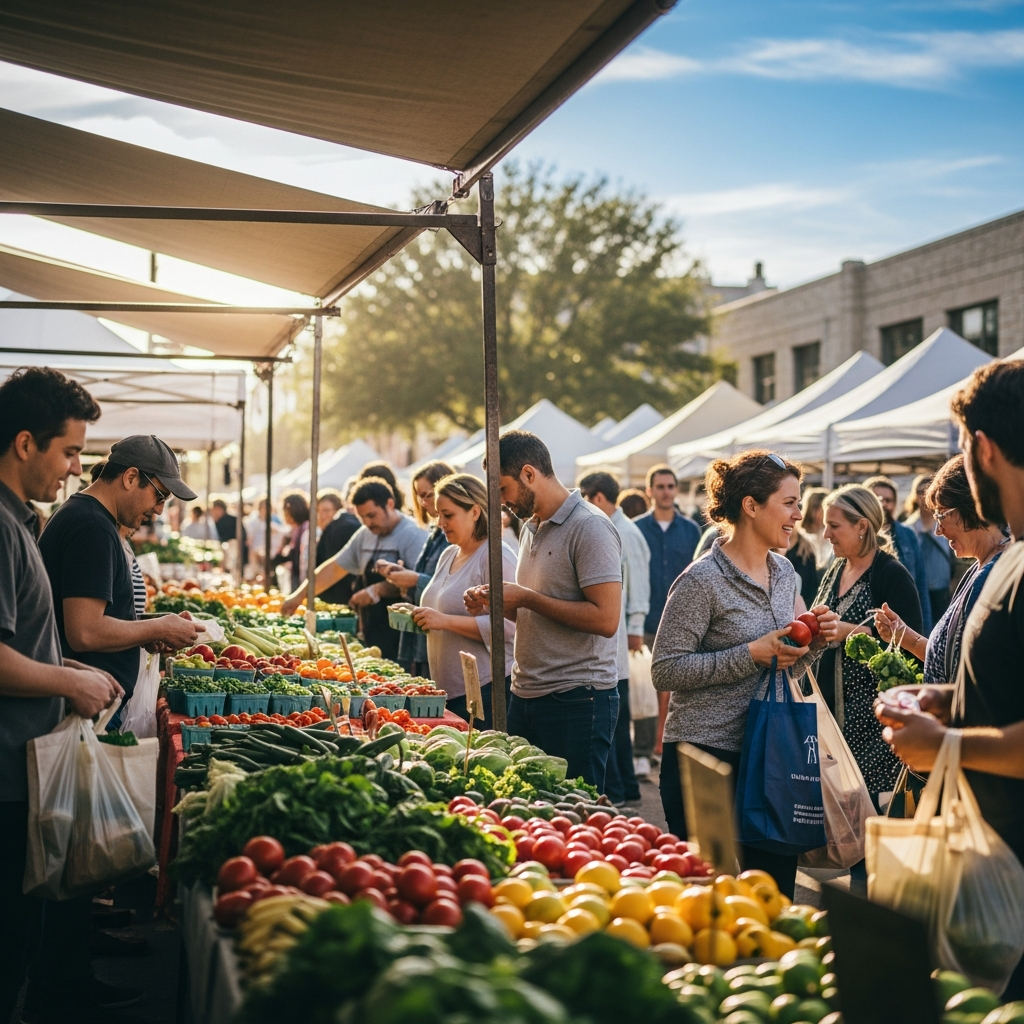
For fresh produce – and this might surprise you – many families drive the extra 10 minutes to the farmers market in Arlington on Saturdays. Better prices, fresher vegetables, and you’re supporting local growers. Plus, the kids love the free samples.
Costco’s technically in Arlington, but it’s practically next door if you’re in the northern neighborhoods. Just… avoid it on weekends unless you enjoy playing bumper cars with shopping carts.
School District Navigation (Even If You Don’t Have Kids Yet)
Grand Prairie ISD gets mixed reviews, and honestly? It depends entirely on which school your address feeds into. Before you sign any lease or purchase agreement, look up the specific schools – not just the district ratings. Some campuses are genuinely excellent while others are… well, let’s just say there’s room for improvement.
The magnet programs are actually pretty solid, though. If you’ve got kids interested in STEM or arts, don’t overlook those options. And here’s something most people don’t realize: living in certain apartment complexes can affect school assignments differently than houses in the same area. Weird, but true.
Healthcare That Actually Works
Texas Health Arlington Memorial is technically in Arlington, but it’s closer than you think if you’re in south Grand Prairie. For routine stuff, though, most locals love the urgent care on Main Street – short waits, reasonable prices, and they actually listen.
Finding a good family doctor? Ask at the pharmacy. Seriously. The pharmacists at CVS on Carrier Parkway know which doctors are accepting new patients and which ones you should probably avoid. They won’t say it outright, but you’ll pick up on the subtle enthusiasm… or lack thereof.
The Food Scene Nobody Talks About
Everyone mentions the chain restaurants along I-20, but the real gems are tucked away in strip malls. That Vietnamese place in the shopping center on Main Street? Incredible pho, and the family that runs it remembers your order after three visits.
For barbecue – because this is Texas – skip the tourist spots and head to the little place on Jefferson Street. No website, cash only, and they close when the brisket runs out. Which happens more often than you’d think.
Making Friends in a Transient Town
Grand Prairie has a lot of military families and corporate relocations, which means people come and go frequently. The upside? Everyone understands being new. Join the neighborhood Facebook groups – they’re surprisingly active and actually useful for everything from restaurant recommendations to finding reliable babysitters.
The community center programs are hit or miss, but the adult sports leagues are genuinely fun and welcoming. Even if you’re terrible at softball… speaking from experience here.
Parks are where you’ll naturally bump into neighbors, especially if you have dogs. The trail system is expanding, and weekend mornings are perfect for casual conversations that sometimes turn into genuine friendships.
When Reality Hits: The Challenges Nobody Mentions
Look, I’m not going to sugarcoat this – moving to or exploring new neighborhoods in Grand Prairie comes with its fair share of surprises. And not all of them are the pleasant kind you’d see in a welcome brochure.
The traffic situation? It’s… well, let’s just say you’ll become intimately familiar with Highway 161 during rush hour. What locals don’t always tell newcomers is that getting from the eastern neighborhoods to the western ones during peak times can feel like planning a small expedition. I’ve had patients who moved from Dalworth to Lake Ridge and suddenly found themselves adding an extra 20 minutes to every commute – not exactly what they bargained for when they fell in love with that perfect house.
And here’s something that catches everyone off guard: the flooding patterns. Grand Prairie sits in this interesting spot where water likes to… collect. Some streets that look perfectly fine during your weekend house-hunting trip can turn into temporary rivers during a good Texas thunderstorm. Mountain Creek, while beautiful, has its moods.
The Social Fabric Dilemma
Each neighborhood here has its own personality – which sounds charming until you realize you might be the introvert who accidentally moved into the block party capital of Texas. Or worse, you’re the social butterfly who ended up somewhere that rolls up the sidewalks at 7 PM.
I’ve seen this play out with families who thought they wanted the quiet suburban life in one of the newer developments, only to find themselves feeling isolated when their kids couldn’t just walk to a friend’s house or grab a snack at the corner store. Meanwhile, others move to the more established areas hoping for community connection but feel overwhelmed by the… let’s call it “active” neighborhood social scene.
The age demographics can be tricky too. Some areas skew heavily toward young families (great if you’re looking for playground buddies, not so much if you’re hoping for quiet evenings), while others are more established – wonderful for stability, but your teenagers might feel like they’re living in a retirement community.
Making It Work: Real Solutions That Actually Help
Start with the commute mapping exercise. Before you fall in love with any neighborhood, drive the route to your most important destinations at different times of day. Yes, even on weekends – because that grocery run on Saturday morning might surprise you. Use apps like Waze, but also trust your own experience behind the wheel.
For the flooding concerns – and this is crucial – check the FEMA flood maps, but also talk to neighbors who’ve been through a few seasons. They’ll tell you which streets to avoid during heavy rain and which areas drain quickly. Local Facebook groups are goldmines for this kind of practical intel.
The social integration challenge needs a two-pronged approach. First, be honest with yourself about your lifestyle preferences. Are you someone who wants to know your neighbors’ names and gets invited to backyard BBQs? Or do you prefer friendly waves and the occasional borrowed cup of sugar? Neither is wrong, but matching your personality to the neighborhood vibe will save you years of feeling out of place.
Second, give yourself permission to create the community you want rather than waiting for it to happen. Start small – maybe it’s joining the local walking group, volunteering at the community center, or just being the person who organizes the annual block cleanup. Sometimes the “quiet” neighborhoods just need someone to break the ice.
The Infrastructure Reality Check
Here’s what the real estate listings won’t tell you: some areas are still catching up on infrastructure. Internet speeds can vary wildly between neighborhoods – crucial if you’re working from home. Some of the newer developments are beautiful but still waiting on promised amenities. That community pool might be “coming soon” for longer than you’d expect.
Solution? Ask specific questions. When will that promised shopping center actually open? How’s the cell service? Are there any planned construction projects that might affect your daily life? And for the love of all that’s holy, test your internet speed at any potential home during the actual hours you’d be using it.
The truth is, every neighborhood here has trade-offs. The key is finding the ones you can live with – and maybe even learn to love.
What to Realistically Expect When House Hunting Here
Look, I’m not going to sugarcoat this – finding the right home in Grand Prairie isn’t always a walk in the park. The market moves fast, especially in those coveted neighborhoods we just talked about. You might see a place online, fall in love with the photos, and discover it’s already under contract by the time you call. It happens… a lot.
Give yourself at least 2-3 months of serious looking, maybe longer if you’re being picky about specific features or locations. The Dalworth Park area? Those homes get snapped up quickly because everyone wants that established neighborhood feel. Same with places near Joe Pool Lake – anything with water access tends to move within weeks of listing.
But here’s the thing – don’t let the competition psych you out. Yes, you might put in offers on two or three places before landing one. That’s completely normal, not a reflection of your budget or your agent’s skills. The market just… well, it is what it is right now.
Timeline Reality Check (Because Someone Has to Say It)
If you’re relocating for work and need to be here by a certain date, start looking at least 4-5 months ahead. I know that sounds excessive, but between finding the right place, getting through inspections, handling any repairs, and coordinating the actual move… time flies faster than you’d think.
The areas closer to DFW airport might give you more options since there’s constant turnover with airline employees and business travelers, but don’t count on that making things easier. Popular doesn’t always mean available.
Actually, that reminds me – if you’re flexible about move-in dates, you’ll have a huge advantage. Sellers love buyers who can work with their timeline, especially if they’re trying to coordinate their own purchase somewhere else.
Your Next Steps (The Practical Stuff)
First things first – get pre-approved for your mortgage before you start seriously looking. I mean it. Don’t just get pre-qualified (that’s basically a guess based on what you tell them), get the full pre-approval where they verify everything. In competitive markets like some of Grand Prairie’s neighborhoods, sellers won’t even consider offers without solid financing proof.
Then… drive around. A lot. Those neighborhood profiles I shared? They’re helpful, sure, but nothing replaces actually spending time in an area. Grab coffee on a Tuesday morning in Downtown Grand Prairie, then come back on a Saturday night. See how the vibe changes. Notice things like how easy it is to find parking, whether you feel safe walking around, if the local businesses seem to be thriving or struggling.
The Lake Ridge area looks gorgeous on paper, but maybe the commute to your office is brutal during rush hour. Or perhaps those charming older homes in Dalworth Park come with electrical systems that’ll need updating sooner than you planned. You won’t know until you’re there, experiencing it yourself.
Working with Local Real Estate Agents
Here’s where having someone who really knows Grand Prairie becomes invaluable. I’m talking about agents who can tell you which streets flood during heavy rains (yes, that’s a thing to consider), which HOAs are reasonable versus nightmare-level controlling, and which schools are actually good versus just having good reputations.
Don’t be afraid to ask pointed questions. How long do homes typically stay on the market in the neighborhood you’re considering? What’s the average time from offer to closing? Are there any upcoming developments or zoning changes that could affect property values?
A good local agent won’t just show you houses – they’ll help you understand the community rhythms. Maybe they’ll mention that the elementary school in one area is overcrowded, or that there’s talk of a new shopping center going in that could increase traffic but also boost property values.
Setting Realistic Expectations About “Perfect”
Your first home in Grand Prairie probably won’t check every single box on your wish list. That’s okay – actually, it’s more than okay, it’s completely normal. Maybe you’ll find the perfect location but the house needs some cosmetic updates. Or you’ll find your dream home that’s slightly outside your preferred neighborhood boundaries.
The key is knowing which compromises you can live with and which are deal-breakers. Can’t stand the idea of a long commute? Don’t convince yourself you’ll get used to it. But worried about outdated kitchen cabinets? Those can be changed when your budget allows.
You know what strikes me most about these neighborhoods? Each one tells a different story about what makes a community thrive. Whether it’s the tree-lined streets where kids still ride bikes until the streetlights come on, or the newer developments where neighbors actually know each other’s names… there’s something special happening in Grand Prairie.
And here’s the thing – when you’re working on your health and wellness goals, your environment matters more than you might think. I’ve seen it countless times: the mom who finally starts walking regularly because she moved to a neighborhood with safe sidewalks. The dad who discovers he actually enjoys weekend farmers market trips when there’s a great one just down the road. The family that starts cooking together more often because their new kitchen feels spacious and inviting.
Finding Your Perfect Fit
Maybe you’re drawn to the established charm of older neighborhoods, where mature trees provide natural shade for those evening walks we keep saying we’ll start taking. Or perhaps you’re excited about the fresh energy of newer communities – places where wellness amenities and family-friendly spaces were built right into the plan from day one.
The truth is, there’s no “wrong” choice here. What matters is finding the place that feels like home… the kind of place where you can picture yourself actually living those healthy habits you’ve been thinking about.
Your Support System Extends Beyond Your Address
But here’s something I’ve learned after years of helping people with their wellness goals – sometimes the biggest challenge isn’t finding the perfect neighborhood or the right eating plan or even the motivation to start. Sometimes it’s just feeling like you’re doing it all alone.
That’s where we come in. Whether you’re settling into a new community or you’ve been in Grand Prairie for decades, making lasting changes to your health doesn’t have to be a solo adventure. Actually, it shouldn’t be.
We’ve worked with families from every corner of this city – from the quiet cul-de-sacs to the bustling main streets. And you know what they all have in common? They needed someone in their corner. Someone who understood that real, sustainable weight loss isn’t about perfect meal plans or finding an extra hour for the gym every day. It’s about making small, manageable changes that actually fit into your real life.
You Don’t Have to Figure This Out Alone
Maybe you’re reading this while house-hunting, imagining fresh starts and new beginnings. Or maybe you’re perfectly happy where you are but ready for a different kind of fresh start – one that focuses on your health and energy.
Either way, you don’t have to figure it all out by yourself. We’re right here in Grand Prairie, and we’d love to chat about what sustainable wellness could look like for you – no matter which neighborhood you call home.
Why not give us a call? We’re not going to pressure you into anything… we just want to listen to what you’re hoping to achieve and share some ideas about how we might be able to help. Sometimes that conversation alone can be the first step toward feeling more like yourself again.