8 Outdoor Activities to Enjoy in Grand Prairie
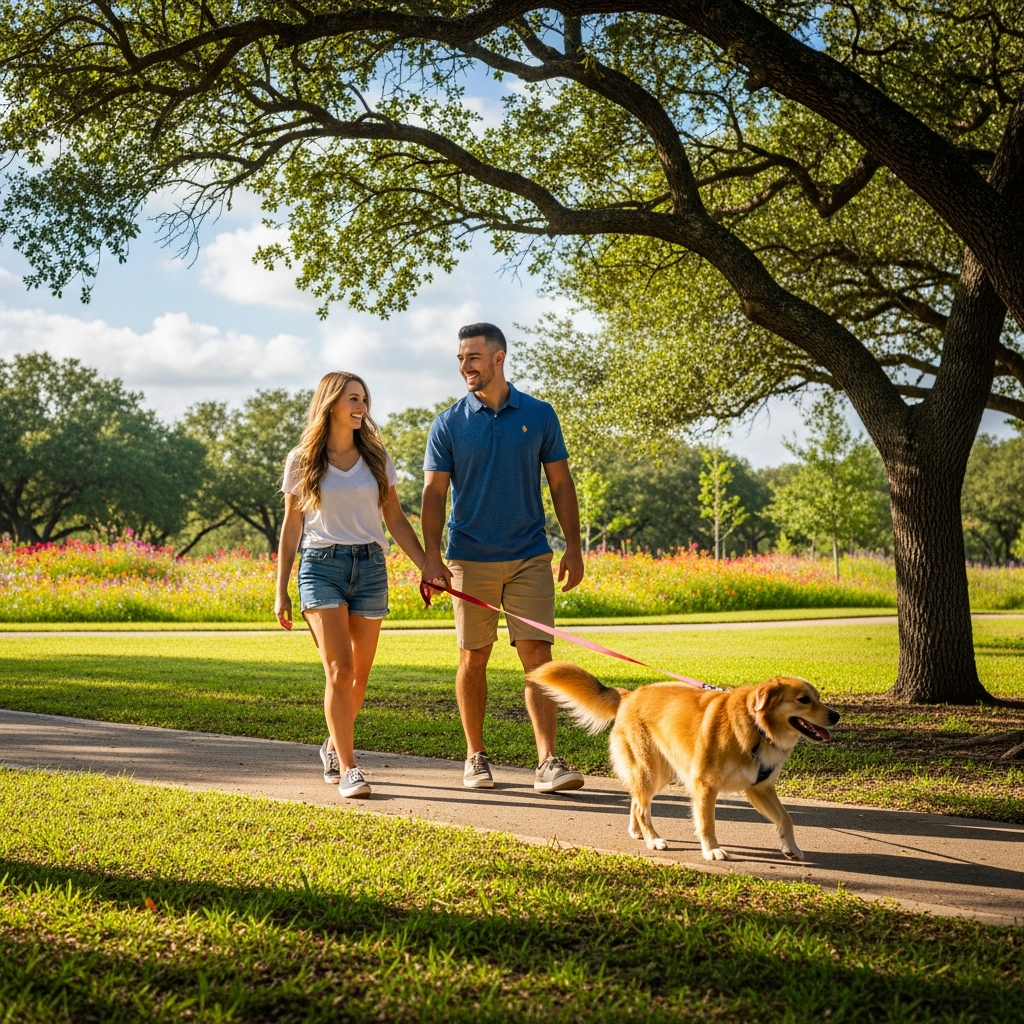
Picture this: it’s a Saturday morning, the weather is finally cooperating, and you’re standing in your kitchen staring at your phone, scrolling through the same three apps, wondering what to do with yourself. Sound familiar? Maybe the kids are bouncing off the walls, or maybe it’s just you and a quiet house that suddenly feels a little too quiet. Either way, you know you *should* do something… you just don’t know what.
Here’s the thing about Grand Prairie that a lot of people – even folks who’ve lived here for years – kind of overlook. This city isn’t just a place you pass through on the way to Dallas or Arlington. It’s actually sitting on some genuinely great outdoor spaces, and most of them are way more accessible than you’d think.
Now, we talk a lot at our clinic about the connection between movement and weight management. And no, we’re not about to tell you that a walk in the park is going to replace your treatment plan – that’s not how this works. But there’s real, solid science behind what happens when you get outside regularly. Stress hormones drop. Mood lifts. You sleep better. And when you sleep better and feel less frantic… well, it’s a whole lot easier to make the choices that actually support your health goals. It’s all connected, honestly – more than most people realize.
Think of outdoor activity like compound interest. A single afternoon at a park doesn’t feel like much. But stack those afternoons together over weeks and months, and something shifts. Your baseline changes. Movement starts to feel less like punishment and more like just… what you do on weekends.
Grand Prairie makes that surprisingly easy, if you know where to look.
And that’s kind of the problem, isn’t it? Most of us default to the familiar. The same walking trail if we go at all. The same park the kids always ask for. We don’t explore because exploring takes mental energy, and mental energy feels scarce most days. So we end up back on the couch, telling ourselves we’ll get out there “when things slow down.” (Spoiler: things don’t slow down. You have to carve the time out on purpose.)
What we’ve put together here is essentially a local guide for people who want to move more but need a little inspiration to actually make it happen. We’re talking about eight outdoor activities that are genuinely enjoyable – not just “good for you” in that grim, medicine-flavored way, but actually fun. The kind of things you’d want to do even if nobody told you they were burning calories.
Some of these are probably on your radar already. Others might genuinely surprise you. Grand Prairie has water, trails, parks, and some recreation options that feel almost out of place for a city this size – in the best possible way.
We’re also going to be real with you about what each activity actually involves, because nothing is more annoying than showing up somewhere excited and realizing it’s not quite what you expected. If something requires gear, we’ll mention it. If it’s more of a “bring the whole family” situation versus a solo adventure, you’ll know that too. Consider this your cheat sheet for actually getting out the door.
One more thing before we get into it – and this matters. Movement outdoors isn’t a magic fix, and we’d never pretend it is. If you’re working with our team on a medical weight loss program, outdoor activity is a wonderful *complement* to what we’re already doing together. It supports your metabolism, your mental health, your energy levels. But it works *with* your plan, not instead of it. Think of it as one more tool in the toolkit – a really enjoyable one.
Okay. Eight outdoor activities, all within reach in Grand Prairie, all worth your Saturday morning. Let’s get into it.
Grand Prairie’s Secret Weapon: Location, Location, Location
Here’s something most people don’t realize about Grand Prairie – it’s sitting in one of the most geographically interesting spots in the entire Metroplex. Wedged between Dallas and Fort Worth, it has access to this incredible mix of urban amenities and surprisingly wild natural spaces. Like, genuinely wild. We’re talking herons, coyotes, bass the size of your forearm. It catches a lot of people off guard.
The city sits right along the eastern edge of the Cross Timbers ecological region, which is basically where the flat, open prairies of the east start bumping into the rocky, cedar-covered hills of the west. That collision of ecosystems means you get an unusual variety of plants, wildlife, and terrain all within a pretty compact area. It’s a little like how the best tacos come from the intersection of two different culinary traditions – the overlap is where things get interesting.
Why the Outdoors Actually Matters for Your Health (Beyond the Obvious)
Okay, you probably already know that moving your body is good for you. That’s not exactly breaking news. But the *outdoor* part of outdoor activity is doing more work than most people give it credit for.
Research on what scientists call “green exercise” – physical activity done in natural settings – consistently shows benefits that go beyond what you’d get on a treadmill burning the same number of calories. Stress hormones drop faster. Mood improves more significantly. People tend to exercise longer without even noticing because they’re actually, you know, enjoying themselves. There’s something about being outside – the changing light, the uneven ground, the sounds – that engages your brain differently than staring at a gym wall.
For anyone working on weight management specifically, that last part matters a lot. Consistency is everything, and it’s a whole lot easier to stay consistent with something you don’t dread. If a walk around a lake feels more like a Saturday afternoon than a workout obligation, you’re going to do it more often. Simple as that.
The Calorie Burn Question (It’s Messier Than You Think)
People often want a clean answer here – “how many calories does hiking burn?” – and honestly, the answer is annoyingly complicated. It depends on your weight, the terrain, your pace, whether you’re carrying anything, the heat… there are a lot of variables.
What we can say is that outdoor activities in Grand Prairie tend to involve more movement variety than structured gym workouts, and that’s actually a good thing. When you’re paddling across a lake, navigating a trail, or even just walking on uneven ground, your body recruits stabilizing muscles it basically ignores on flat surfaces. Think of it like the difference between driving on the highway versus navigating a neighborhood with speed bumps – your engine’s working differently, even if the distance is the same.
That variety also helps prevent the adaptation plateau that frustrates so many people. Your body is remarkably good at becoming efficient at repetitive movements, which sounds great but actually means you burn fewer calories doing the same thing over time. Outdoor activities, almost by their nature, keep throwing new stimuli at your body. Which keeps things… interesting. For your metabolism, anyway.
What Grand Prairie Actually Has to Work With
The anchor of most outdoor activity here is Joe Pool Lake – a 7,500-acre reservoir that supports everything from fishing and kayaking to shoreline hiking. It’s a genuinely significant body of water, not just a pond with big ambitions.
Surrounding the lake is Loyd Park and Lynn Creek Park, which together give you hundreds of acres of trails, open fields, and wooded areas to explore. Then there’s the Dogwood Canyon Audubon Center, which is this quiet, slightly unexpected gem tucked away with native plant trails and wildlife watching opportunities that feel miles away from the suburban sprawl just outside its gates.
The Grand Prairie trail system is also worth mentioning – it connects neighborhoods and parks in ways that make impromptu walks genuinely practical, not just theoretical.
What this all adds up to is a surprisingly complete outdoor ecosystem for a city that most people just think of as the place between two bigger cities. And honestly? That underdog reputation might be exactly why it’s stayed so accessible and uncrowded. Whatever the reason – it works in your favor.
Time Your Visits Like a Local
Here’s something the Grand Prairie tourism page won’t tell you: most of these outdoor spots are genuinely uncrowded on weekday mornings, especially before 9am. Joe Pool Lake on a Tuesday? It’s practically yours. The Riparian Preserve trails at Loyd Park see a fraction of the weekend foot traffic mid-week, and parking – which can be a genuine headache on Saturday afternoons – is basically a non-issue.
Summer mornings are non-negotiable if you’re sensitive to heat. North Texas heat is no joke, and by 11am from June through September, you’re not having fun anymore – you’re surviving. Aim for that 7-8am window and you’ll catch cooler temperatures, softer light if you’re into photography, and wildlife that’s actually active. Herons, egrets, white-tailed deer near the water’s edge… it’s a completely different experience than the midday version.
Fall and spring are the sweet spots, honestly. October through early December and March through May offer that perfect 65-75°F range where you can actually exert yourself without immediately regretting it.
What to Actually Pack
Beyond the obvious water bottle – and yes, bring more than you think you need, seriously double it – a few specific items will make a real difference depending on what you’re doing.
For trail walking at Lynn Creek Park or around Joe Pool’s shoreline, water shoes or sandals with straps are genuinely useful. The rocky areas near the water’s edge are uneven, and flip flops will betray you at the worst possible moment. A small microfiber towel stuffed in your bag takes up zero space and you’ll be glad it’s there.
If you’re kayaking or doing any paddling, bring a dry bag for your phone. Not a ziplock. An actual dry bag. Rental spots near the lake are convenient, but they won’t be sympathetic about your waterlogged iPhone.
Birding along the Trinity River greenbelt trails? A decent pair of binoculars changes everything. You don’t need expensive ones – a $40-50 pair from Amazon does the job. Grand Prairie sits in a migratory corridor, so spring and fall visits can surprise even people who aren’t particularly into birds.
Navigating the Parks Without the Headaches
A few practical realities worth knowing. Loyd Park charges a day-use fee – it’s reasonable, but have cash or a card ready at the entrance booth. Nothing slows down a relaxed morning like fumbling through your car for exact change while someone waits behind you.
The Airfield Falls trail in the nearby mountains area… wait, actually that’s not Grand Prairie – easy to confuse when you’re browsing trail apps. Stick to AllTrails filtered specifically for Grand Prairie and double-check the address before you head out. GPS occasionally sends people to the wrong park entrance, especially around Joe Pool Lake where there are multiple access points spread across three cities.
If you’re bringing a dog – and Grand Prairie is genuinely dog-friendly, which is great – check the specific area rules before you go. Some beach areas prohibit dogs, and some trail sections require leashes even when it feels like they shouldn’t. Save yourself the argument with a park ranger.
Making It a Habit, Not a One-Time Thing
The people who actually get long-term benefits from outdoor activity are the ones who lower the barrier to entry. That means keeping a small bag semi-packed in your car with sunscreen, a hat, and your walking shoes. It means identifying your two or three “default” spots so you’re not spending 20 minutes deciding where to go.
Grand Prairie’s parks are genuinely accessible from most parts of the city – you’re rarely more than 15 minutes from a decent trail or waterfront area. That’s a real advantage. Use it.
The free fishing areas along Joe Pool Lake are worth knowing about if you fish casually – you don’t always need a boat or a major production. Sometimes a folding chair, a simple rod, and an hour on a Thursday afternoon is exactly what stress management actually looks like.
And don’t overlook the quieter pocket parks and greenbelts that don’t make the highlight lists. They’re less scenic, sure, but they’re right there – and “right there” beats “technically amazing but 45 minutes away” every time.
The Weather Will Humble You (Here’s How to Survive It)
Let’s be real about North Texas weather for a second – it’s a lot. Grand Prairie sits in that particular zone where summer heat isn’t just uncomfortable, it’s genuinely dangerous. We’re talking 100°F days that feel like 110°F with humidity, and the sun reflecting off Joe Pool Lake can be brutal in ways that sneak up on you.
The solution isn’t to stay inside from June through September. It’s to shift your entire mindset about timing. Early morning – and we mean *early*, like 6:30 or 7am – is a completely different world out there. The trails at Loyd Park are genuinely pleasant before 9am. The light is gorgeous, the temperature is manageable, and you’ll have the place mostly to yourself. Evening works too, though you lose the light faster than you’d expect.
Hydration advice always sounds obvious until you’re the person sitting on a park bench feeling dizzy. Bring more water than you think you need. Then bring more. A good rule of thumb is about half a liter per hour of activity – and that number goes up fast when it’s hot.
Finding Parking (Yes, This Is Actually a Problem)
Nobody mentions this in the cheerful “things to do” articles, but Loyd Park and Lynn Creek Marina on a Saturday in May? The parking situation can be genuinely frustrating. Families with kayaks, weekend warriors with bikes, people who got there at 8am and claimed the good spots… it adds up.
The honest fix is arriving before 9am on weekends, or – and this is underrated – going on weekday mornings if your schedule allows it at all. Some folks also miss the secondary parking areas that aren’t immediately obvious when you pull in. Worth driving around before giving up and leaving.
Day passes and entrance fees can also catch people off guard. Keep a few dollars cash handy just in case, and check the Texas Parks and Wildlife site before you go so you’re not surprised at the gate.
When Your Fitness Level Doesn’t Match Your Ambition
This one’s worth being genuinely honest about. You see the trail map, you think “five miles, that’s nothing” – and then you’re three miles in, it’s 85°F, and your knees are reminding you of every life decision you’ve ever made.
Start shorter than you think you need to. Actually. The trails around Arbor Hills Nature Preserve in the broader DFW area – and Grand Prairie’s own green spaces – have varying terrain that can feel significantly harder than the mileage suggests. There’s no shame in a 2-mile loop when you’re starting out. That 2-mile loop is still outside, still moving, still infinitely better than the couch.
If joint pain or cardiovascular limitations are real concerns for you (and they are for a lot of people – more than anyone admits), water-based activities at the lake are genuinely easier on your body. Kayaking works your upper body without pounding your joints. Worth considering if you’ve been dealing with knee or hip issues.
The “I Don’t Have Anyone to Go With” Problem
This is more common than people let on, and it stops a surprising number of people from doing things they’d actually enjoy. Going alone to a park or trail feels weird at first if you’re not used to it – but honestly? Most people are too absorbed in their own experience to notice or care that you’re solo.
That said, Grand Prairie Parks and Recreation does organize group events and activities periodically. Check their community calendar. There are also local Facebook groups and Meetup communities centered around hiking and outdoor activities in the DFW area that are genuinely friendly to newcomers.
Gear Overwhelm Is Real
You don’t need expensive hiking boots, a hydration pack, and moisture-wicking everything to walk around a lake. This is Grand Prairie, not the Appalachian Trail. Decent sneakers, a reusable water bottle, sunscreen, and a hat will cover probably 90% of what you’ll actually do here.
The one thing worth spending a little money on? Sunscreen with a high SPF – the kind that actually stays on when you sweat. Texas sun is not playing around, and skin protection isn’t vanity, it’s just smart.
Start simple. Go once. See how it feels. The gear can always come later once you know what you actually like doing out there.
What to Actually Expect When You Get Started
Here’s the thing nobody tells you – the first few weeks of adding outdoor activity to your routine are going to feel a little awkward. Maybe even discouraging. Your body isn’t used to it, Grand Prairie’s summer heat will remind you who’s in charge, and you might finish a walk around Lynn Creek Park feeling like you ran a marathon. That’s completely normal. Don’t let it shake you.
Most people expect to feel energized and amazing immediately. And sometimes you do get that post-activity glow, especially in the cooler months when you’re out at Loyd Park and the breeze is just right. But honestly? The first two to four weeks are often more about building the habit than feeling the benefits. Give yourself permission to be a beginner.
The Timeline Nobody Talks About
Real, measurable change – we’re talking weight, energy levels, sleep quality – typically starts showing up somewhere around the four to eight week mark when you’re combining outdoor activity with other healthy changes. Not day three. Not after one great Saturday at the Epic Waters splash pad with the kids.
That doesn’t mean nothing’s happening before then. Your cardiovascular system starts adapting almost immediately. Your mood can shift noticeably within the first week or two. But if you’re stepping on the scale after your second bike ride on the Veloweb trail system and wondering why nothing’s changed yet… that’s just not how bodies work, and it’s worth knowing that going in.
A few realistic milestones to watch for
– Weeks 1-2: You’re establishing the routine. Some days will feel great, some won’t. Both are fine. – Weeks 3-4: Activity starts feeling slightly less hard. You might notice you’re sleeping better. – Weeks 6-8: This is often when people first notice real changes in how their clothes fit or how they feel climbing stairs. – Month 3 and beyond: Compounding benefits. This is where it gets good.
Start Smaller Than You Think You Should
Seriously – whatever you’re planning to do, cut it in half for the first couple of weeks. If you want to walk two miles around Joe Pool Lake eventually, start with one. If you’re eyeing those Toadstool Trail hikes, begin on the flat sections. There’s this very human tendency to go all-in on week one and then be too sore – or too defeated – to show up on week two.
The people who make lasting progress aren’t usually the ones who had the most dramatic start. They’re the ones who showed up consistently, even when “consistently” meant a 20-minute walk on a Tuesday when they really didn’t feel like it.
How Outdoor Activity Fits Into the Bigger Picture
This is important, so stick with me here. Outdoor activity in Grand Prairie – as wonderful and accessible as it is – is one piece of a larger puzzle. If you’re working with a medical weight loss program, the exercise supports everything else you’re doing: it helps your metabolism, preserves muscle, improves how your body responds to any medications or treatments, and honestly just makes the whole process feel more sustainable.
But it’s not a replacement for clinical support, nutrition changes, or addressing whatever’s been driving weight gain in the first place. Think of it like… outdoor activity is a really good supporting actor. Important, genuinely helpful, sometimes the thing that makes everything click – but not the whole movie.
Your Next Steps, Practically Speaking
Pick one activity from this list. Just one. Decide when you’re going to try it this week – not “sometime this weekend,” but an actual day and time. Tell someone about it, or better yet, bring them along.
Then come back and try it again the following week.
That’s it. That’s the whole plan for right now. You don’t need to have the next six months mapped out. You don’t need new gear or a perfect schedule. You need one activity, one day, one time – and then to repeat that until it stops feeling like a decision and starts feeling like just… what you do on Wednesday evenings.
If you want support figuring out how to fit movement into a broader wellness plan that actually fits your life, our team is always here for that conversation. No pressure, no judgment – just real help from people who’ve seen what works.
You know, it’s easy to forget sometimes that getting outside doesn’t have to be this huge, complicated production. Grand Prairie has quietly built something pretty special – a collection of parks, trails, lakes, and green spaces that genuinely rival what you’d find in much bigger cities. And the best part? Most of it is right there, waiting for you, no gym membership required.
Whether you ended up drawn to the idea of kayaking on Joe Pool Lake, wandering the trails at Loyd Park, or just picturing yourself at the Epic Waters splash pad with your kids… there’s something here that fits where you are right now. Not where you think you *should* be. Where you actually are.
That matters more than people realize.
Because here’s the thing about outdoor activity – it doesn’t ask you to be a certain size or fitness level before you show up. The trail doesn’t care. The lake definitely doesn’t care. You can start slow, rest when you need to, and still come home feeling like you did something good for yourself. That feeling? It’s real, and it builds on itself over time in ways that are honestly kind of remarkable.
You Don’t Have to Figure This Out Alone
If you’ve been reading through this and feeling that familiar mix of excitement and doubt – the “I’d love to do that, *but*…” feeling – we want you to know that’s completely normal. So many people come to us carrying that exact tension. They want to be more active, they want to feel better in their bodies, they want to enjoy their life outdoors… and they just need a little support getting there.
That’s exactly what we’re here for.
Medical weight loss isn’t about handing you a rigid plan and sending you off. It’s about understanding *your* body, *your* lifestyle, and what actually makes sense for you – whether that’s adjusting your nutrition to support more activity, addressing the health factors that make movement harder, or just having someone in your corner who genuinely gets it.
A Simple Next Step
If anything you’ve read today sparked even a small flicker of “maybe I could…” – trust that flicker. It’s telling you something.
Reach out to our team whenever you’re ready. No pressure, no judgment, just a real conversation about where you are and where you’d like to be. We work with people at every starting point, and we’ve seen what’s possible when someone finally gets the right support behind them.
Grand Prairie is full of beautiful places to walk, paddle, explore, and breathe fresh air. You deserve to enjoy all of it – not someday, not after you’ve somehow figured everything out on your own, but now. In whatever way works for you today.
The outdoors will meet you exactly where you are. So will we.